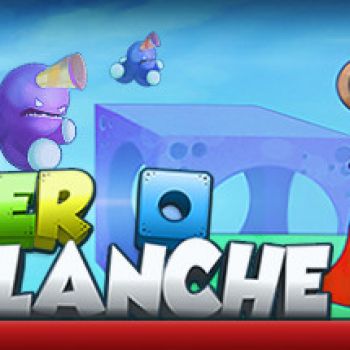
Overview of Avalanche
Avalanche is a game that invites players to confront the thrill of a cascading challenge. The title suggests a setting where elements descend rapidly, testing reflexes and decision making. Whether the environment is a snowy mountain, a digital grid, or an abstract arena, the core appeal lies in managing a flow that can overwhelm if not handled with care. Players who enjoy fast paced action and the satisfaction of staying ahead of a relentless tide will find Avalanche engaging.
Getting Started in Avalanche
New players should begin by familiarizing themselves with the visual cues that indicate incoming movement. The game typically provides clear signals when a new wave is about to appear. Observing these cues allows you to position yourself or your avatar in a safe zone before the pressure builds. Take the first few rounds as a learning period, focusing on timing rather than speed. This approach builds a solid foundation for later, more demanding stages.
Understanding the Core Loop
The central loop of Avalanche revolves around anticipation, reaction, and recovery. Anticipation comes from watching the pattern of the descent. Reaction is the moment you adjust your position or take an action to avoid being caught. Recovery follows when you have cleared a segment and prepare for the next wave. Mastering this loop is essential for progress.
Effective Strategies for Success
Success in Avalanche is not solely about raw speed. It also depends on thoughtful planning and efficient use of the space available. Below are several strategies that can help players improve their performance.
Managing Pace and Timing
One of the most important aspects is to match the rhythm of the falling elements. Rushing too early can lead to mistakes, while waiting too long may cause a pile‑up that is difficult to clear. Observe the interval between waves and adjust your actions to fit that rhythm. Over time you will develop an intuitive sense of when to act.
Optimizing Position and Movement
Positioning is a key factor. Keep your avatar or cursor near the center of the play area when possible, as this provides the greatest range of movement in any direction. When a wave approaches from a particular side, shift slightly opposite to create a buffer zone. This simple habit reduces the chance of being trapped by an unexpected surge.
Prioritizing High Value Targets
If the game includes items that grant extra points or temporary advantages, aim to collect them after you have secured safety. Chasing a valuable item before you are ready can expose you to danger. Instead, clear the immediate threat first, then move toward the reward.
Community and Replay Value
Avalanche offers a level of replayability that keeps players returning. The unpredictable nature of each wave means that no two sessions are exactly alike. Many players share their highest scores and strategies on forums and social platforms, creating a community of friendly competition. Engaging with this community can provide fresh ideas and motivate you to push your own limits.
Frequently Asked Questions
- Is Avalanche suitable for beginners? Yes the game is designed with a learning curve that allows new players to start at a comfortable pace. Early stages focus on basic timing and positioning, providing a gentle introduction before the challenge intensifies.
- What platforms can I play Avalanche on? Avalanche is available on a variety of platforms that support web based or downloadable games. Players can enjoy it on personal computers, tablets, and smartphones that meet the minimum system requirements.
- How can I improve my high score? Improving a high score involves consistent practice of the core loop, refining timing, and learning the patterns of each wave. Watching replays of top players can also reveal efficient movement paths and decision making.
- Are there any hidden challenges within the game? Many games of this type include secret milestones or bonus rounds that appear after reaching certain thresholds. Exploring different strategies and reaching higher levels often unlocks these hidden elements.
- Where can I find tips from other players? Online gaming forums, social media groups, and video sharing platforms host a wealth of user generated content. Searching for Avalanche strategies or joining a community discussion can provide valuable insights.