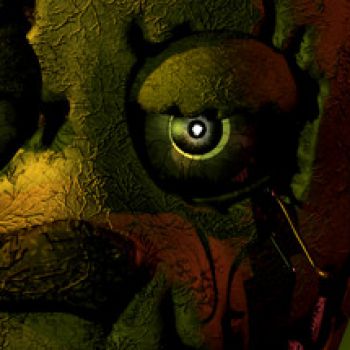
Overview of Five Nights At Freddys 3
Five Nights At Freddys 3 continues the unsettling tradition of the series by placing the player in a dark and isolated setting. The game is built around a single location that serves as a haunted attraction. Players must manage limited resources while keeping an eye on the movements of hostile animatronics. The atmosphere relies heavily on sound cues and sudden visual shocks, creating a tense experience that rewards careful observation.
Atmosphere and Tension
The visual design of Five Nights At Freddys 3 is deliberately sparse. Dim lighting and flickering monitors add to the feeling of vulnerability. Audio design plays a crucial role; distant mechanical whirring, muffled footsteps, and sudden loud bangs all serve to keep the player on edge. The game does not rely on complex graphics but instead uses simple visual elements to amplify fear.
Audio Cues as a Guide
Because the environment is largely dark, listening becomes essential. Each animatronic has a distinct sound pattern that can be recognized with practice. Learning these patterns helps the player anticipate where danger is approaching before it becomes visible on the screen.
Practical Guidance for Surviving the Night
While the exact control scheme is not disclosed, the core gameplay revolves around monitoring cameras, managing power, and using defensive tools. Below are general tips that apply to the typical structure of the series.
- Keep the camera view focused on areas where animatronics are most likely to appear. Switching too quickly can waste valuable power.
- Conserve power by limiting the use of lights and other devices. Turn them on only when you suspect an animatronic is nearby.
- Listen for audio cues that indicate movement. When a sound is heard, prioritize checking that location.
- Maintain a calm mindset. Panicking often leads to unnecessary actions that drain resources.
- Observe the pattern of each night. The difficulty increases gradually, so adapting to new threats is essential.
Guidance for New Players
Beginners may find the learning curve steep because the game offers little hand‑holding. Start by playing the first night repeatedly to become familiar with the layout and sound cues. Use each attempt to note where animatronics tend to appear and how long they remain in each area. Over time the player will develop an intuition for when to activate defensive measures.
Managing Resources Effectively
Power is a finite resource that powers cameras, lights, and any defensive mechanisms. Use the lights sparingly; a brief flash is often enough to confirm an animatronic’s position. When the power gauge drops low, focus on the most critical areas and avoid unnecessary camera checks.
Replay Value and Community Interaction
Five Nights At Freddys 3 offers a high level of replayability due to its randomised animatronic movements and the challenge of achieving perfect nights. Players often share strategies on forums and create custom challenges that push the limits of the game’s mechanics. The community’s enthusiasm for uncovering hidden lore adds an extra layer of motivation for repeated play.
Frequently Asked Questions
What is the main objective in Five Nights At Freddys 3?
The primary goal is to survive a series of nights by monitoring the environment, managing power, and preventing animatronics from reaching the player’s location.
How many nights can be played?
The game typically includes a set of five standard nights followed by additional challenges that increase difficulty.
Is there a way to reduce the difficulty after completing the game?
Players often discover hidden settings or unlockable modes that adjust the intensity of the experience. Exploring community guides can reveal methods to modify the challenge level.
Can the game be played on multiple platforms?
Five Nights At Freddys 3 is available on several platforms, allowing players to experience the horror on both desktop and mobile devices.
What makes Five Nights At Freddys 3 different from earlier entries?
The third installment introduces a new setting and focuses more heavily on audio cues and resource management, providing a fresh yet familiar experience for fans of the series.